They are slowly taking over the streets, parks and train platforms of Berlin and other cities, exhaling their sweet candle-like aerosol and watching it waft away. Vapers! People who have substituted cigarettes for so-called e-cigarettes, and smoke for vapor.
Cité dans Le Courrier du Parlement
J’ai été cité dans une question d’une interview sur Le Courier du Parlement. Marguerite Deprez-Audebert députée MoDem de la 9ème circonscription du Pas-de-Calais a été interviewé par Pauline Pouzankov sur la question des taxes sur les boissons sucrées.
Kdo potřebuje WHO?
Světová zdravotnická organizace (WHO), součást OSN, je velká a zastaralá organizace. Je zbytečně drahá a koná přímo proti tomu, co si sama vytkla za cíl, totiž proti „veřejnému zdraví“. Je načase zaujmout k ní přiměřený postoj – a přestat ji financovat.
Wozu dient noch die Weltgesundheitsorganisation?
Mit ihrem Bericht über weltweite Luftverschmutzung hat die Weltgesundheitsorganisation (WHO) der Vereinten Nationen Aufsehen erregt. Zehn Mikrogramm Feinstaub sollen maximal in der Luft liegen, damit Menschen sich sicher sein können. Den aktuellen Daten zufolge erreichen nicht einmal europäische Städte dieses Limit, weshalb empfohlen wird, drastische Gesetzesänderungen voranzutreiben, darunter Regelungen wie das komplette Verbot von Dieselfahrzeugen. […]
Published in the 4Liberty.eu Review No. 8
I was published in the eighth edition of the 4Liberty.eu Review, which focuses on personal freedom. In my contribution, I address the influence of lifestyle regulations throughout European states, and the scientific evidence that underlines their efficacy (or the lack thereof).
Das sinnlose Snus-Verbot
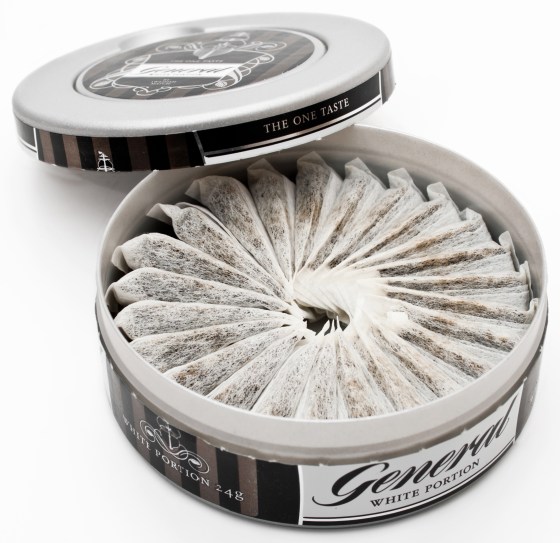
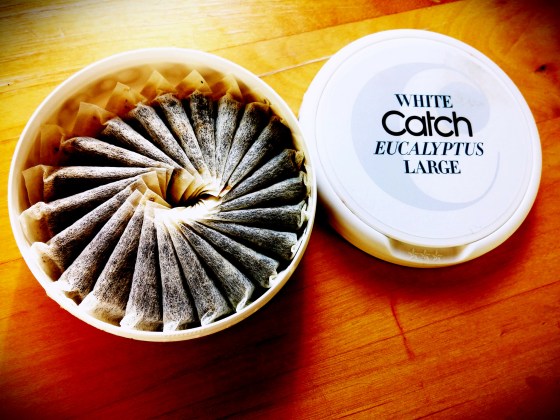
Nach einer Empfehlung der Weltgesundheitsorganisation (WHO) verbot die Europäische Union im Jahre 1992 das feuchte, rauchlose Tabakerzeugnis Snus. Beliebt in Skandinavien wird Snus (Schwedisch für “Schnupftabak”) in kleinen, vorverpackten weißen Beuteln verkauft, die üblicherweise unter die Oberlippe platziert werden. Im Gegensatz zu trockenem Tabak oder Schnupftabak bringt Snus Nutzer nicht zum spucken. Noch wichtiger ist: […]
How did “public morality” become “public health”?
For decades, so-called “Clean Living” advocates pushed for government crackdown on products such as tobacco, alcohol or even coffee. Now that moralising people on a spiritual basis has proven to be less effective, Nanny State proponents make the case for the same types of regulation, in the interest of “public health”. Are they really any […]
Pourquoi le snus est-il toujours illégal dans l’Union européenne?
En 1990, après une recommandation de l’Organisation mondiale de la Santé (OMS), le Royaume-Uni et la Belgique avaient interdit le tabac sans fumée humide connu sous le nom de « snus ». Popularisé en Scandinavie, le snus est vendu dans de petites poches blanches préemballées, généralement consommées placées sous la lèvre supérieure. Contrairement au tabac […]
C’est la régulation qui nuit aux chauffeurs de taxis, pas la concurrence
Les crises de colère lancées par les chauffeurs de taxi à travers le monde, en ce qui concerne les services de covoiturage tels que Uber ou Heetch, sont révélatrices d’un monopole moribond. Si votre chauffeur de taxi n’était pas en colère contre l’économie du partage, alors cette dernière ne serait pas efficace. (L’Echo)
[REPORTAGE] Facebook-Hearing: Reaktiounen zu Bréissel
Dëse Reportage gouf fir RTL Radio Lëtzebuerg realiséiert, an ass den 23. Mee ausgestraalt ginn. De Beitrag kann och am Replay op http://www.rtl.lu nogelauschtert ginn. [Radio USO]: Um Dënschden-Owend war de Facebook-Hearing mam Mark Zuckerberg am Europaparlament zu Bréissel. No dem Skandal mat Cambridge Analytica ass et drëms gaangen de Facebook Grënner iwwer Changementer an der Politik […]