European Council distrusts parents with junk food proposals

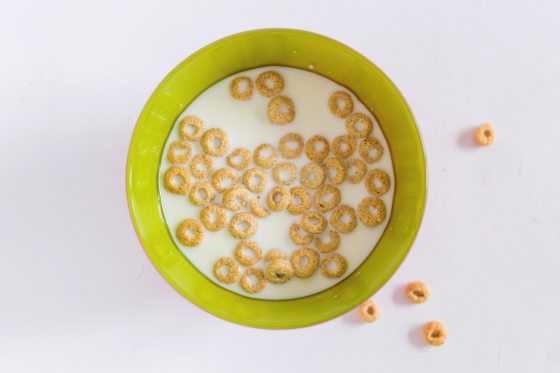
The European Council has adopted draft conclusions regarding the marketing of so-called “junk food” products, in which it calls for restrictions on advertisement, in an effort to protect children. The targets are foods high in energy, saturated fats, trans-fatty acids, sugar and salt.

Quand l’Europe s’en prend à nos bières préférées

L’Union européenne annonce agir avec pour objectif de réduire la consommation d’alcool. L’idée la plus récente en la matière : changer la politique fiscale pour encourager le brassage des bières à faible teneur en alcool. Ce changement nuira à toutes les brasseries belges.

U.S blocks panel on sugar tax, and rightfully so

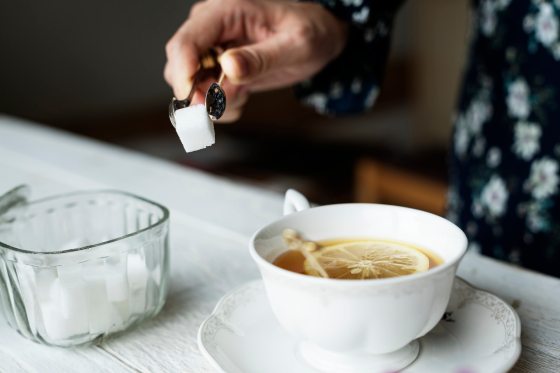
In a new report, the World Health Organization fails to endorse higher taxes on sugar in order to fight noncommunicable diseases. For the last two years, the U.N. body has been calling for even higher sugar taxes, which would lead to reduced consumption and therefore better overall public health. However, the WHO advocates are not […]

A year into plain packaging: where’s the reflection?

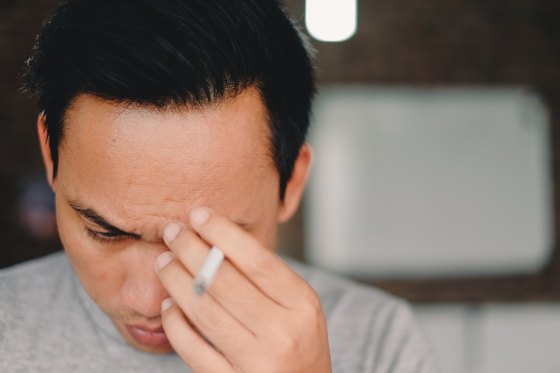
It’s been a year since mandatory plain packaging for tobacco products was introduced in the UK. All tobacco products now have to be sold in greenish packets without distinctive branding. It was supposed to discourage smoking by making the packaging look unappealing. But when we look at plain-packaging policies around the world, the evidence tells […]

Cité dans Le Courrier du Parlement

J’ai été cité dans une question d’une interview sur Le Courier du Parlement. Marguerite Deprez-Audebert députée MoDem de la 9ème circonscription du Pas-de-Calais a été interviewé par Pauline Pouzankov sur la question des taxes sur les boissons sucrées.

Kdo potřebuje WHO?

Světová zdravotnická organizace (WHO), součást OSN, je velká a zastaralá organizace. Je zbytečně drahá a koná přímo proti tomu, co si sama vytkla za cíl, totiž proti „veřejnému zdraví“. Je načase zaujmout k ní přiměřený postoj – a přestat ji financovat.

Wozu dient noch die Weltgesundheitsorganisation?

Mit ihrem Bericht über weltweite Luftverschmutzung hat die Weltgesundheitsorganisation (WHO) der Vereinten Nationen Aufsehen erregt. Zehn Mikrogramm Feinstaub sollen maximal in der Luft liegen, damit Menschen sich sicher sein können. Den aktuellen Daten zufolge erreichen nicht einmal europäische Städte dieses Limit, weshalb empfohlen wird, drastische Gesetzesänderungen voranzutreiben, darunter Regelungen wie das komplette Verbot von Dieselfahrzeugen. […]

Published in the 4Liberty.eu Review No. 8

I was published in the eighth edition of the 4Liberty.eu Review, which focuses on personal freedom. In my contribution, I address the influence of lifestyle regulations throughout European states, and the scientific evidence that underlines their efficacy (or the lack thereof).