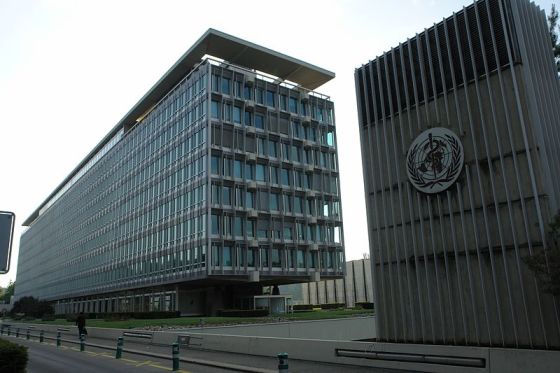
Mit ihrem Bericht über weltweite Luftverschmutzung hat die Weltgesundheitsorganisation (WHO) der Vereinten Nationen Aufsehen erregt. Zehn Mikrogramm Feinstaub sollen maximal in der Luft liegen, damit Menschen sich sicher sein können. Den aktuellen Daten zufolge erreichen nicht einmal europäische Städte dieses Limit, weshalb empfohlen wird, drastische Gesetzesänderungen voranzutreiben, darunter Regelungen wie das komplette Verbot von Dieselfahrzeugen. […]
Oxfam ne comprend toujours rien à l’économie
D’une méthodologie douteuse, le dernier rapport d’Oxfam sur les inégalités au sein des entreprises du CAC 40 ? A plus d’un titre, oui. Ces derniers jours, dans la presse, experts, journalistes et responsables politiques ont semblé s’en étonner. Ce n’est pourtant pas la première fois que les activistes qui composent l’ONG britannique démontrent leur vrai talent : […]
Published in the 4Liberty.eu Review No. 8
I was published in the eighth edition of the 4Liberty.eu Review, which focuses on personal freedom. In my contribution, I address the influence of lifestyle regulations throughout European states, and the scientific evidence that underlines their efficacy (or the lack thereof).
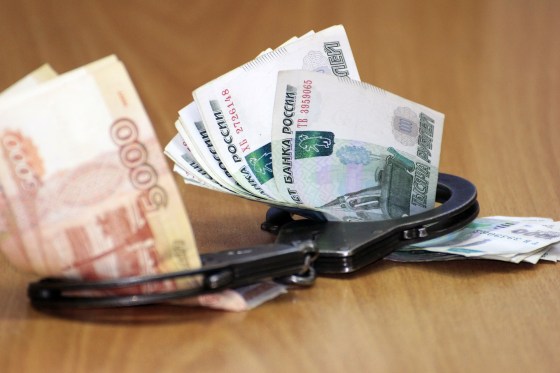
Why isn’t the UK not doing more to rid itself of dirty money?
Earlier this month, the UK’s parliament backed a change to legislation that would force the government to push offshore tax havens to boost transparency in an effort to tackle corruption and money laundering. Without much enthusiasm, the government has announced not to oppose a cross-party amendment.
Don’t throw your smartphone away – use it more efficiently
In a recent opinion piece for everyone’s favourite newspaper, The Guardian, Rhik Samadder, makes the case of getting rid of your smart phone. His goal: leaving the phone in a different room, and only replying to messages once a day. We’ll leave the fact that Guardian columnists seemingly don’t need to react to breaking news, […]
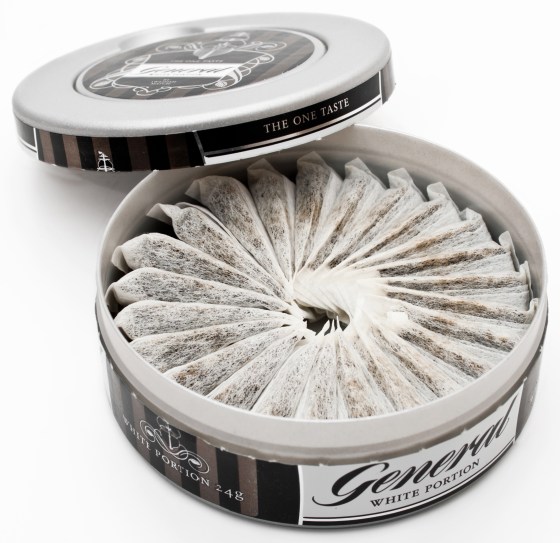
Das sinnlose Snus-Verbot
Nach einer Empfehlung der Weltgesundheitsorganisation (WHO) verbot die Europäische Union im Jahre 1992 das feuchte, rauchlose Tabakerzeugnis Snus. Beliebt in Skandinavien wird Snus (Schwedisch für “Schnupftabak”) in kleinen, vorverpackten weißen Beuteln verkauft, die üblicherweise unter die Oberlippe platziert werden. Im Gegensatz zu trockenem Tabak oder Schnupftabak bringt Snus Nutzer nicht zum spucken. Noch wichtiger ist: […]
How did “public morality” become “public health”?
For decades, so-called “Clean Living” advocates pushed for government crackdown on products such as tobacco, alcohol or even coffee. Now that moralising people on a spiritual basis has proven to be less effective, Nanny State proponents make the case for the same types of regulation, in the interest of “public health”. Are they really any […]
[REPORTAGE] Politesch Changementer an Armenien
Dëse Reportage gouf fir RTL Radio Lëtzebuerg realiséiert, an ass de 25. Mee ausgestraalt ginn. De Beitrag kann och am Replay op http://www.rtl.lu nogelauschtert ginn. Korruptioun, Stëllstand a politesch Machtspillereien: Dogéint haten vun Ufank Abrëll bis Ufank dëses Mounts iwwer 200.000 Leit an der armenescher Haapstad Yerevan demonstréiert. Dem Präsident Serzh Sargsyan gouf virgeworf d’Verfassungsännerung fir säin […]
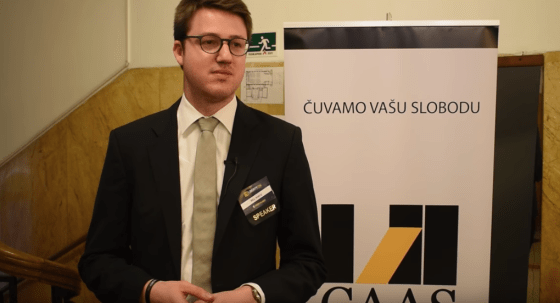
Interviewed by Centar za antiautoritarne studije
I was, together with the other participants of the European Union debate at LibertyCon 2018, interviewed by Centar za antiautoritarne studije. Click on the video below to see the whole video (I can be seen at 15:53):
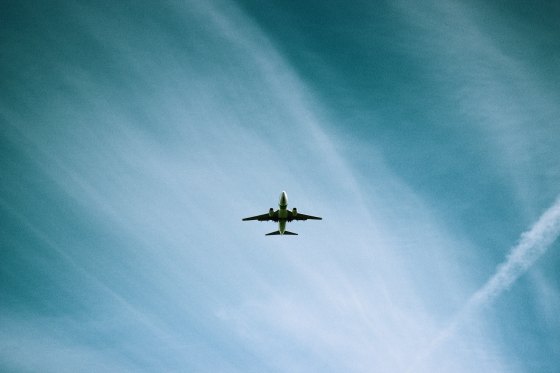
Prendre l’avion est une liberté qu’il faut défendre
En Europe, le transport aérien a bien illustré la manière dont le marché libre peut réduire les coûts de transport pour les consommateurs. Désormais, ce secteur est attaqué par les écologistes.